
CommonHealth Recovery offers medication assisted treatment (MAT) for opioid and alcohol addiction in Kentucky. Evidence-based with Suboxone, Vivitrol & counseling.
Medication-Assisted TreatmentMAT in Kentucky
Medication-Assisted Treatment (MAT) in Kentucky
Overcoming drug or alcohol addiction is tough, but the right treatment can make it easier. Medication-assisted treatment (MAT) helps by using medications along with therapy to support long-term recovery.
What Is Medication-Assisted Treatment?
Medication-assisted treatment (MAT) combines medications with counseling to treat addiction. It works by easing withdrawal symptoms, reducing cravings, and rebalancing brain chemistry. This comprehensive approach makes it easier to focus on recovery and avoid relapse.
MAT is effective because it treats both the physical and mental aspects of addiction. It helps restore balance in the brain, which reduces withdrawal symptoms and cravings. By stabilizing your condition, MAT allows you to engage in therapy where you can address the emotional and behavioral causes of your substance use disorder.
This approach is used for many types of addiction, including opioid and alcohol use disorders. By combining medical support with counseling, MAT helps build the foundation for lasting recovery throughout Kentucky communities.

How does MAT Work?
MAT has been shown to improve recovery outcomes significantly. According to SAMHSA, combining medication with therapy is a highly effective way to treat substance use disorders. Some medications also support long-term recovery and help prevent or reduce opioid overdose.
By making the withdrawal process easier, people end up staying in treatment longer. It provides a structured and safe approach to overcoming addiction while offering a wide range of benefits that specifically improve the recovery process.

Comprehensive Mental Health Support
MAT treats both addiction and mental health conditions. It helps stabilize mood, reduce stress, and improve emotional balance for Kentucky residents dealing with co-occurring disorders.
Easier Withdrawal Process
MAT makes withdrawal less painful and easier to manage. This helps people get through detox safely and lowers the risk of relapse during the most challenging early days of recovery.
Reduced Cravings
Some MAT medications help control cravings, making it easier to stay sober. Buprenorphine and naltrexone block the urge to use drugs or alcohol, giving you power over your recovery.
Improved Safety
MAT reduces the risk of overdose and severe withdrawal symptoms. It also helps prevent complications and improves overall health outcomes during recovery.
Better Treatment Retention
By reducing cravings and withdrawal, MAT makes it easier for people to stay in treatment. This allows you to work, care for family, and build a stable routine while recovering.
Long-Term Recovery Support
MAT provides ongoing support for lasting recovery. It helps control cravings and withdrawal symptoms, significantly reducing the chances of relapse.
Medications Used in MAT
The medications used in MAT vary based on the specific substance use disorder being addressed. Originally designed to treat conditions such as depression or anxiety, some of these medications also effectively ease withdrawal discomfort and address concurrent mental health challenges. Treating both substance dependence and psychological well-being simultaneously improves the likelihood of sustained recovery.
Numerous MAT medications also play a role in managing sedative dependence. These medications help individuals safely withdraw from benzodiazepines and similar substances by supporting neurological stability throughout detoxification, making the withdrawal process both safer and more tolerable.
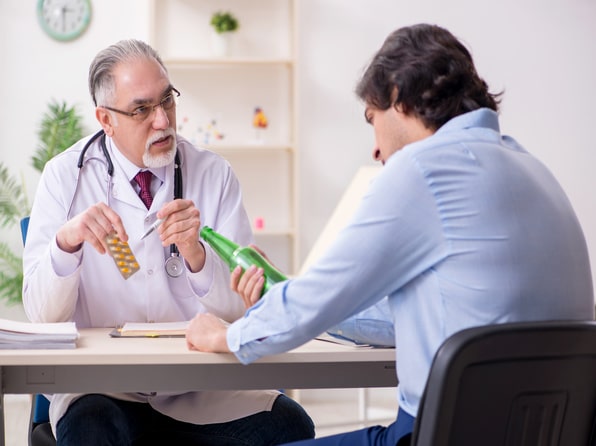
Common MAT Medications
- Acamprosate – Works to rebalance brain chemistry and diminish the urge to drink alcohol.
- Baclofen – A muscle relaxant that can alleviate physical discomfort during the withdrawal process.
- Buprenorphine – Partially activates opioid receptors to minimize withdrawal discomfort and reduce drug cravings.
- Desipramine – An older antidepressant that may help stabilize emotions throughout the recovery process.
- Gabapentin – May help control withdrawal-related discomfort and anxiety symptoms.
- Mirtazapine (Remeron) – Addresses both mood symptoms and sleep disturbances common in early recovery.
- Naltrexone – Interferes with the rewarding effects of both alcohol and opioids to support abstinence.
- Suboxone – Combines buprenorphine with naloxone to treat opioid dependence while deterring misuse.
- Vigabatrin – Under investigation as a potential treatment option for managing substance use disorders.
- Antipsychotics – May address coexisting psychiatric symptoms that often accompany substance use disorders.
- Benzodiazepines – May be prescribed short-term to ease severe withdrawal from alcohol under close medical monitoring.
- Bupropion – Supports mood stabilization and can help manage depressive symptoms during recovery.
- Disulfiram – Creates negative physical reactions when combined with alcohol, reinforcing abstinence.
- Methadone – A sustained-release opioid medication that manages withdrawal while blocking cravings.
- Naloxone (Narcan) – An emergency medication that rapidly reverses potentially fatal opioid overdoses.
- Paroxetine (Paxil) – May help manage anxiety and mood issues that commonly occur alongside addiction.
- Topiramate – An anticonvulsant that may reduce cravings for both alcohol and certain stimulants.
- Vivitrol – A monthly naltrexone injection providing sustained protection against relapse to opioids or alcohol.
All medications are administered under careful medical oversight in a secure environment. Our healthcare providers develop individualized treatment protocols tailored to each patient’s unique circumstances. Discover more about the medications we use in substance use disorder treatment.
Medications for Opioid Use Disorder
MAT supports individuals struggling with opioid dependence through a combination of medications that manage cravings and prevent the severe effects of opioids. These treatments work to normalize neurological function and block the euphoric effects of opioids.
Common Opioid MAT Medications:
- Methadone
- Naltrexone
- Naloxone (Narcan)
- Suboxone
- Sublocade
- Brixadi
- Vivitrol
Medications for Alcohol Use Disorder
MAT assists those battling alcohol dependence by utilizing medications that reduce the desire to drink and help avoid relapse. These pharmaceutical interventions support neurological recovery and promote lasting sobriety.
Common Alcohol Use Disorder Medications:
- Acamprosate
- Disulfiram
- Naltrexone
- Vivitrol
Is MAT Right for You?
MAT is safe when used under medical supervision. Some medications may have side effects, but our doctors monitor patients closely to prevent problems. Just like life-saving treatments for other conditions, MAT is an important tool in addiction recovery.
At CommonHealth Recovery, we offer MAT as part of a comprehensive addiction treatment program. Our team provides personalized care, helping each person find the right medication and therapy combination for their needs. We serve patients throughout Kentucky, including Louisville, Lexington, Frankfort, and surrounding counties.

FAQs About Medication Assisted Treatment
Does MAT really work for addiction?
MAT helps people stay in treatment and reduces relapse. It works by managing cravings and withdrawal symptoms so people can focus on recovery.
Is MAT replacing one addiction with another?
No, MAT does not cause a new addiction when taken as prescribed. It helps stabilize brain function and supports recovery without producing a high.
Can MAT help with alcohol addiction?
Yes, MAT is effective for alcohol use disorder. Medications like acamprosate, disulfiram, and naltrexone help reduce cravings and prevent relapse.
Do I have to be severely addicted to use MAT?
No, MAT can help people with moderate to severe addiction. It’s customized to each person’s needs for the best recovery support.
How do I get started with MAT?
Contact our admissions team at (502) 661-1444 to discuss your treatment options. We’ll help determine if MAT is right for you and create a personalized recovery plan.
Read Our News & Articles


Uncategorized
How to Find Reliable Suboxone Doctors and MAT Programs in Georgetown, KY: What Patients Need to Know
October 13, 2025
No Comments
Uncategorized
October 6, 2025
No Comments
Ready To Reclaim Your Life?