
Understanding the psychology of gambling What drives players to bet
Understanding the psychology of gambling What drives players to bet
The Allure of Gambling: A Psychological Perspective
The psychology of gambling is complex and multifaceted, driven by both emotional and cognitive factors. Players are often attracted to the thrill of risk, where the uncertainty of outcomes can provoke a powerful emotional response. This excitement is not merely about winning money; it also taps into the human desire for adventure and the possibility of experiencing something extraordinary. The adrenaline rush associated with taking risks can be intoxicating, compelling individuals to return for more, often against their better judgment. Recently, many players have turned to candyland400.com to satisfy their gaming cravings.
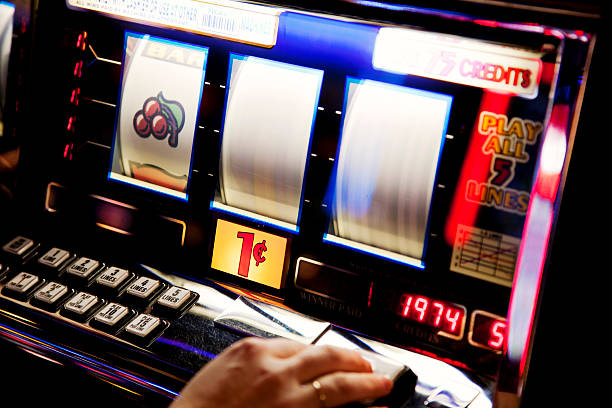
Moreover, gambling can serve as a form of escapism, allowing individuals to step away from the mundane realities of life. This psychological detachment can temporarily alleviate stress and anxiety. For some, the casino environment, filled with bright lights and engaging sounds, creates a sensory experience that enhances this escape. This sensory overload can be pleasurable, creating a feedback loop that reinforces the desire to gamble, even when the risks are understood.
Understanding the appeal of gambling also involves recognizing how cognitive biases can influence players’ decisions. For instance, the illusion of control leads individuals to believe they can influence outcomes based on their skills, even in games of chance. This misconception can result in persistent gambling behavior, as players chase losses with the hope of eventual success. The psychological reinforcement of winning, no matter how small, can perpetuate this cycle, keeping players engaged long after they should have stopped.
The Role of Social Factors in Gambling
Social dynamics significantly impact gambling behavior, shaping how individuals engage with games and casinos. For many, gambling occurs in social settings, where interaction with others enhances the overall experience. The communal atmosphere in casinos fosters a sense of camaraderie, allowing players to share their successes and losses. This social reinforcement can lead to increased gambling frequency, as individuals seek not only monetary rewards but also the enjoyment of shared experiences.
Peer influence is another vital factor; individuals may feel compelled to gamble to fit in or impress friends. This social pressure can encourage reckless gambling behavior, particularly among younger players who are still forming their identities. The need for social acceptance can outweigh rational decision-making, leading individuals to make choices they might otherwise avoid, such as betting larger amounts than they can afford to lose.
Furthermore, the rise of online gaming platforms has created new social dynamics, where players can interact virtually. Online forums and social media allow gamblers to share strategies, tips, and experiences, creating a community that can either promote responsible gambling or encourage dangerous habits. The combination of accessibility and social engagement can amplify the psychological pull of gambling, making it a prevalent pastime for many.
Addiction and Behavioral Patterns in Gambling
The line between casual gambling and addiction is often blurred, as the thrill of betting can lead to compulsive behaviors. Gambling addiction, or pathological gambling, is recognized as a serious psychological disorder that affects many individuals. The symptoms can manifest in various ways, including an overwhelming preoccupation with gambling, an inability to stop despite negative consequences, and the need to gamble with increasing amounts of money. Understanding these patterns is crucial for identifying at-risk individuals and providing necessary support.
Cognitive distortions play a significant role in the development of gambling addiction. Many players exhibit tendencies such as loss chasing, where they continue to gamble in hopes of recovering lost money, often leading to further financial ruin. Additionally, the gambler’s fallacy—a belief that past events can influence future outcomes—can perpetuate this cycle, causing individuals to make irrational decisions rooted in emotion rather than logic.
The emotional impact of gambling addiction extends beyond the individual to affect family and friends. Relationships often suffer as a result of deceit, financial strain, and emotional withdrawal. Many who struggle with gambling addiction experience feelings of guilt, shame, and isolation, creating a vicious cycle that is difficult to break. Understanding these behavioral patterns is vital for fostering empathy and developing effective treatment strategies that address the psychological underpinnings of gambling addiction.
Debunking Myths Surrounding Gambling
Despite the allure of gambling, numerous myths and misconceptions can cloud players’ understanding of the activity. One common myth is that certain games have better odds than others based on perceived skill or strategy. While some games do involve elements of skill, the fundamental nature of many gambling activities is rooted in chance. Believing one has control over outcomes can lead to false confidence, increasing the likelihood of reckless betting.
Another myth is the idea that winning streaks or losing streaks can predict future outcomes. This misunderstanding feeds into the gambler’s fallacy, encouraging players to make decisions based on emotional responses rather than statistical realities. In truth, each gambling event is independent, and outcomes are not influenced by previous results. Recognizing this fact can help players make more informed decisions and avoid the traps set by these pervasive myths.
Moreover, the notion that casinos are rigged against players feeds a sense of distrust that can deter responsible gambling. While casinos operate to make a profit, they also adhere to regulations and fairness standards that protect players. Understanding how games are designed, including the house edge, can empower players to approach gambling more responsibly. Debunking these myths is essential for cultivating a healthier relationship with gambling and promoting informed choices among players.

Exploring Candyland Casino: A Responsible Gaming Experience
Candyland Casino stands out as a premier online gaming destination that prioritizes both entertainment and player safety. With a vast array of over 500 games, including slots, table games, and live dealer options, players can immerse themselves in a diverse gaming experience. The platform uses advanced encryption technology to ensure secure transactions, providing players with peace of mind as they engage in their favorite activities.
New players are welcomed with generous bonuses, which not only enhance the gaming experience but also promote responsible gambling. Candyland Casino encourages players to set limits, providing tools that allow individuals to manage their gaming habits effectively. This approach fosters a balanced relationship with gambling, ensuring that the thrill of betting does not overshadow the importance of responsible play.
Joining Candyland Casino means not just enjoying the excitement of premium gaming but also being part of a community that values safety and fair play. By embracing these principles, players can engage in a fulfilling gambling experience that balances enjoyment with responsibility, ultimately enhancing their overall gaming journey.

0 Comments